Creative practice
Creative block isn't a motivation problem
The gap between intention and action in creative work is a prediction problem. The brain forecasts threat; the body follows. No amount of willpower overrides a forecast.
Book a research callRead about the method
The problem
Why the usual explanations fail
You sit down to make something. You don’t. You attribute it to discipline, procrastination, fear of failure — the standard vocabulary of self-defeat. None of these explanations help, because none of them are accurate..
The intention-action gap isn’t a character flaw. It’s the brain doing exactly what it’s built to do, which is to predict what an action is going to cost you before diving in.
Contemporary neuroscience — specifically the predictive processing model developed by Lisa Feldman Barrett — shows that the brain is a prediction machine, not a passive receiver of experience. Before you act, it runs a forecast. If the forecast models high metabolic cost, uncertainty, or threat, the body prepares accordingly. The result feels like resistance, numbness, distraction, or dread.
Self-help calls this a mindset problem. Therapy often frames it as unresolved emotional content. Productivity culture calls it procrastination and prescribes systems. All three locate the problem in the wrong place — and none of them update the forecast.
“The enthusiasm, drive and excitement is not gone. It is only been forecasted away — a low-cost prediction the body has agreed to inhabit.”
Working notes, Berlin
The methodology
Release, Make, Integrate
Three phases, designed to work on the body budget — the brain’s ongoing calculation of what things cost and what they’re worth — rather than trying to think or motivate your way through it.
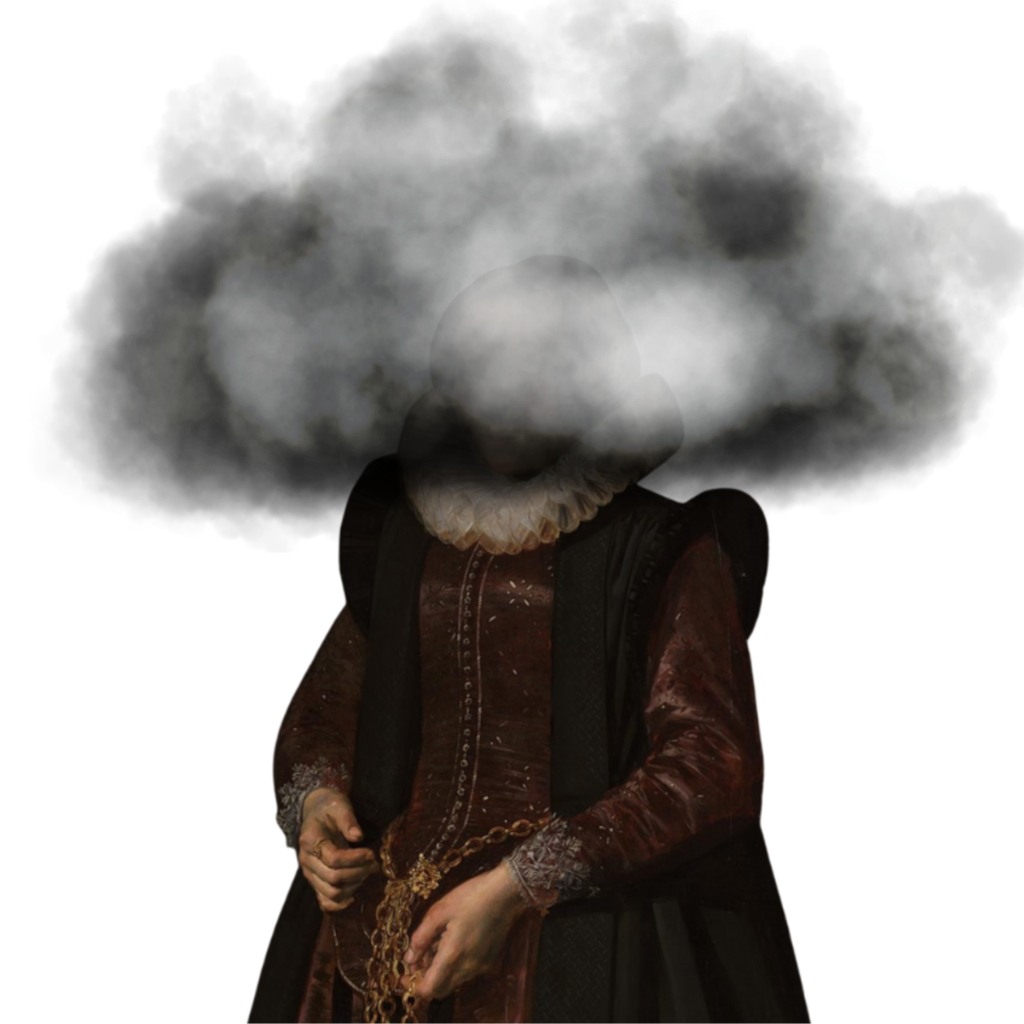
01 — Release
Lower the forecast cost
Work with the body’s current state and follow a gentle but structured process to surface the mind’s predictions — what they mean, and what they’re doing to you physically.
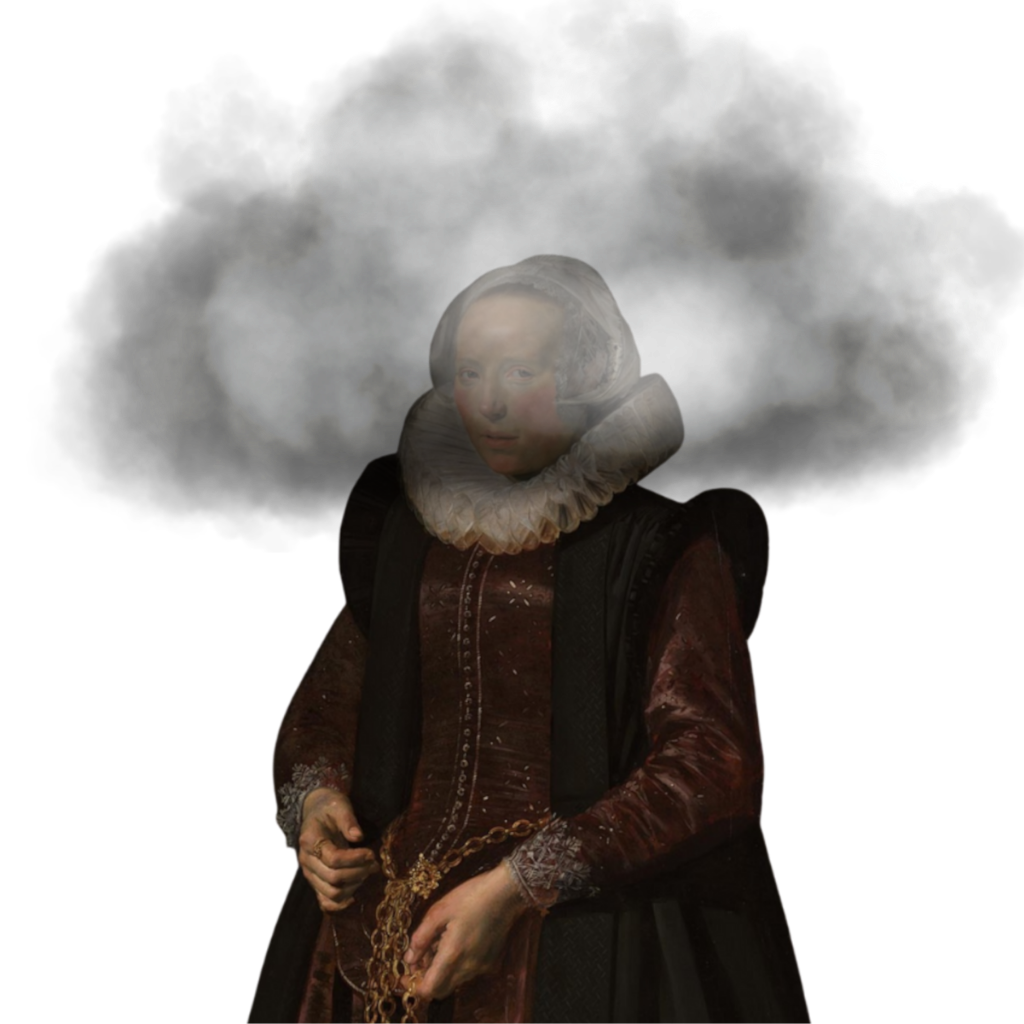
02 — Make
Generate without evaluation
Structured making that separates production from judgement. Volume over quality. Movement over meaning — for now.
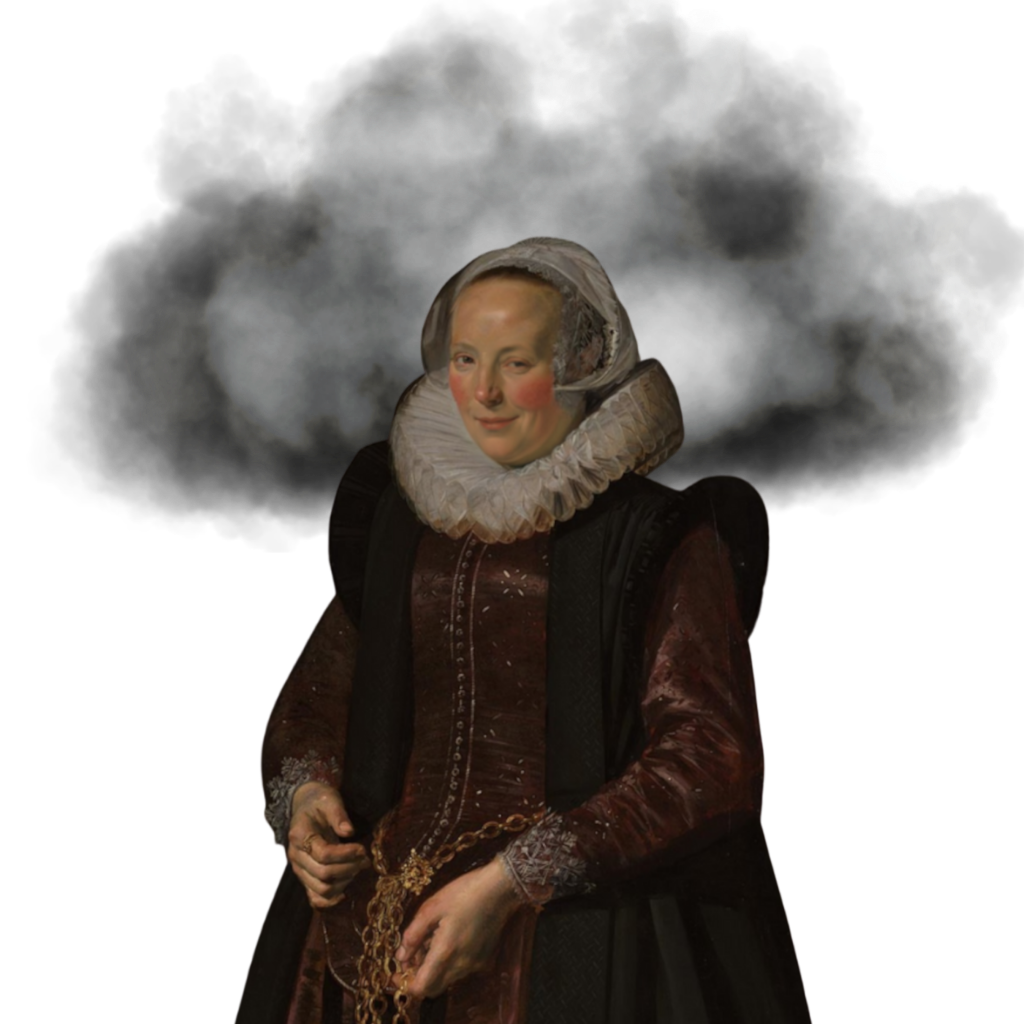
03 — Integrate
Build a new prediction
Consolidate what happened. Update the forecast. The brain learns from completed experiences — integration is how the next session gets easier.
This is all done in the spirit of an experiment. There’s no correct way to do it and nothing to get right. The questions that tend to open things up are small and slightly absurd: what happens if I do this? How ugly can I make this line? What’s the fewest marks I need before something becomes recognisable? If that sounds manageable, it is.
What this isn’t
Some distinctions worth making
A lot of what exists in this space is therapy-adjacent, self-help, or productivity culture with a different coat of paint. This is none of those things.
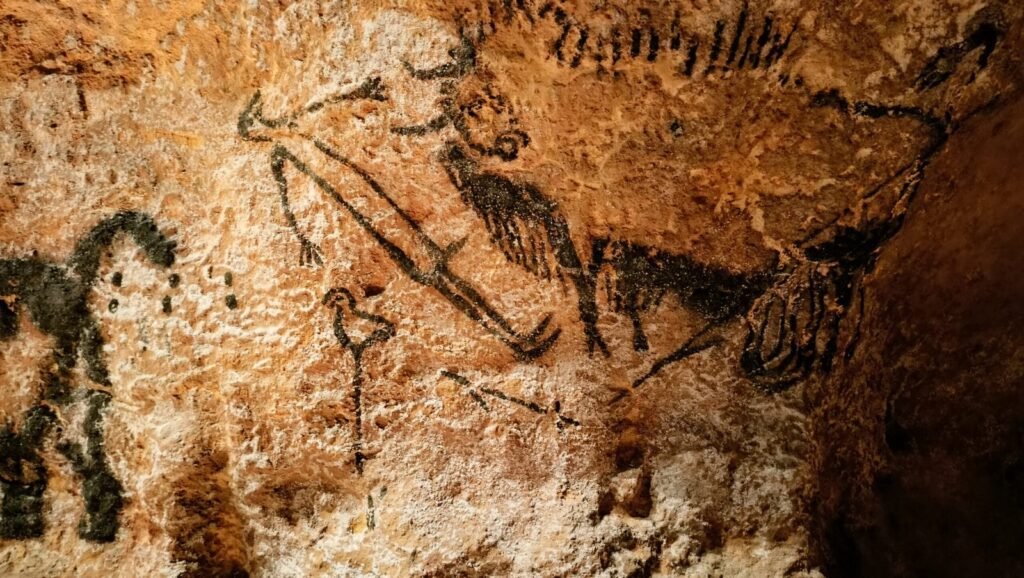
- A structured method grounded in predictive processing
- Group and one-to-one facilitation with analogue materials
- Designed for people who already make things and are stuck
- And for those who never started and wish they had
- Not therapy or therapeutic in intent
- Not a mindset programme or positive psychology
- Not productivity methodology or habit design
- Not self-expression as healing
- Not about unlocking your creative potential
- Not another thing you should do that you won’t
- No clinical language, no motivational register
Research calls
I would love to speak with you
The Analogue Project is in active development. I'm running 30-minute conversations with people who work creatively — to understand where the gap actually shows up, what's been tried, what hasn't helped.
This isn't a sales call. It's research. You'll get an honest conversation; I'll get better at building something useful.
Book a 30-minute call
Researchers, writers, visual artists, musicians, designers — anyone with a practice that keeps stalling. Conversations are informal and unrecorded unless you'd prefer otherwise.
Book a time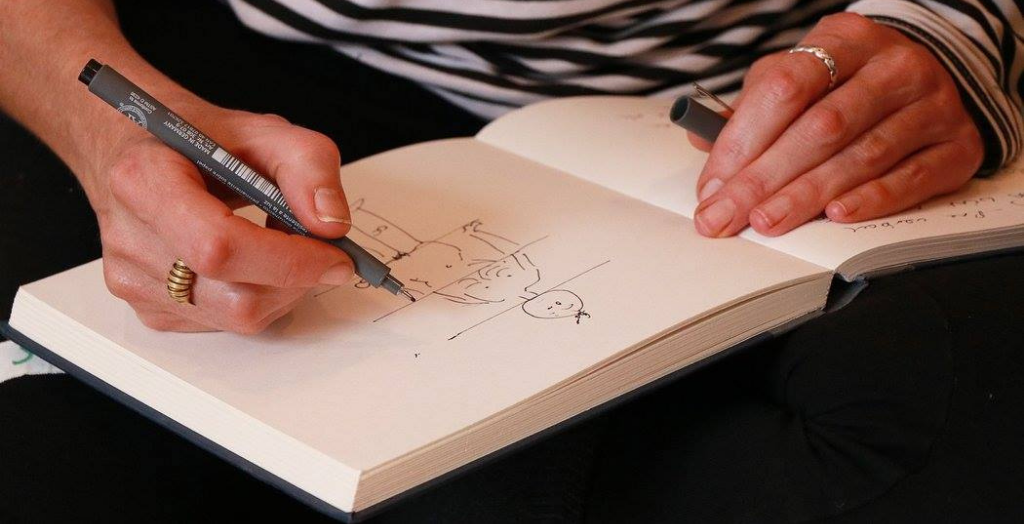
Stay in touch
Occasional dispatches
Researchers, writers, visual artists, musicians, designers — anyone with a practice that keeps stalling. Conversations are informal and unrecorded unless you'd prefer otherwise.